Paladin Lending Group
LLC DBA Dan Paladin -
The Paladin Team
FHA LOANS
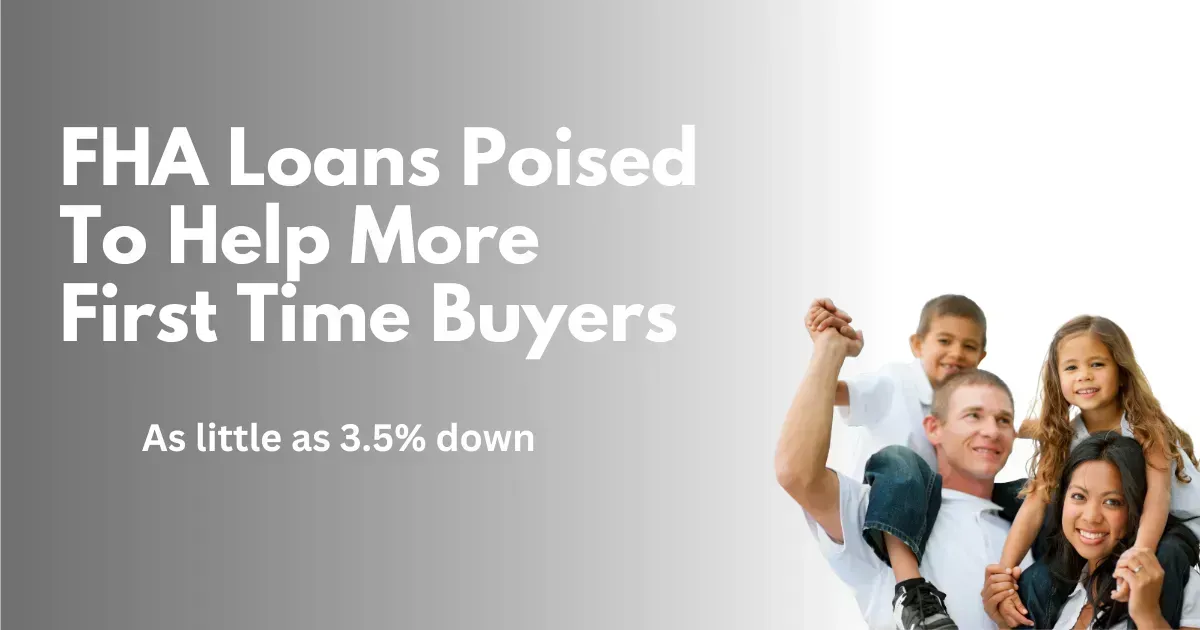
Federal Housing Administration (FHA) loans are a popular option for home buyers, particularly first-time buyers, who may not have a large down payment or a high credit score. FHA loans are insured by the government, which means lenders are more willing to offer these loans to borrowers who may not qualify for a conventional mortgage.
FHA loans typically require a down payment of just 3.5% of the purchase price, making it easier for buyers to get into a home. In addition, FHA loans have more flexible credit requirements than conventional loans, allowing borrowers with less-than-perfect credit to still qualify. These factors make FHA loans an attractive option for many home buyers looking to achieve their dream of homeownership.
Conventional Loans
Conventional loans often require a higher down payment compared to FHA loans, usually around 5% to 20% of the purchase price. The credit requirements for conventional loans are typically stricter, with lenders looking for a credit score of at least 620 or higher.
However, borrowers with excellent credit may be able to secure a lower interest rate and better terms on a conventional loan. Conventional loans can be used to purchase a variety of property types, including single-family homes, multi-unit properties, and condominiums.
VA Home Loans
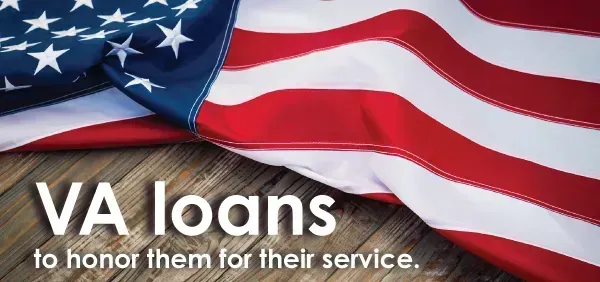
VA loans are a type of mortgage that is available to veterans, active-duty military members, and eligible surviving spouses. These loans are guaranteed by the Department of Veterans Affairs (VA), which means lenders are protected in case the borrower defaults on the loan. VA loans typically offer more favorable terms and interest rates than conventional loans and do not require a down payment.
In addition, VA loans do not require mortgage insurance, which can save borrowers money on their monthly payments. VA loans have flexible credit requirements, which can help borrowers with less-than-perfect credit still qualify for a mortgage. Overall, VA loans provide a valuable benefit to those who have served our country and can make it easier for them to achieve the dream of homeownership.
Self Employed Home Loans
Self-employed home loans, also known as "non-QM loans," are a type of mortgage designed for self-employed borrowers who may not meet the traditional lending requirements. These loans take into account a borrower's income, which may fluctuate and can be difficult to document. Self-employed home loans typically require a larger down payment and a higher credit score than traditional loans, but they offer more flexible qualification requirements.
Self-employed borrowers may also need to provide additional documentation to prove their income, such as bank statements, profit and loss statements, and tax returns. Overall, self-employed home loans provide an option for entrepreneurs and freelancers to achieve homeownership, even if they don't meet the traditional lending requirements..


Reverse Mortgages
Reverse mortgages are a type of home loan available to homeowners who are 62 years or older. With a reverse mortgage, homeowners can convert a portion of their home equity into cash without selling their home. Unlike traditional home loans, a reverse mortgage does not require monthly mortgage payments. Instead, the loan is repaid when the borrower no longer uses the home as their primary residence.
The loan amount depends on the borrower's age, home value, and current interest rates. Reverse mortgages can be used to supplement retirement income, pay off debt, or cover unexpected expenses. However, reverse mortgages can have higher interest rates and fees than traditional loans and may affect eligibility for certain government benefits. It's important to carefully consider the pros and cons before deciding if a reverse mortgage is the right option for you.
Second Mortgages
A second mortgage is a type of home loan that allows homeowners to borrow against the equity they've built up in their property. Unlike a primary mortgage, a second mortgage is a separate loan that is in addition to the first mortgage. Second mortgages can be a way to access cash for home improvements, debt consolidation, or other expenses.
The amount of money that can be borrowed is typically based on the equity in the home, with the borrower using the home as collateral for the loan. Second mortgages may have higher interest rates than primary mortgages, and defaulting on the loan can result in foreclosure. It's important to carefully consider the benefits and risks of a second mortgage before deciding if it's the right option for your financial needs.